Spain · Film production
Spain Film Production Locations
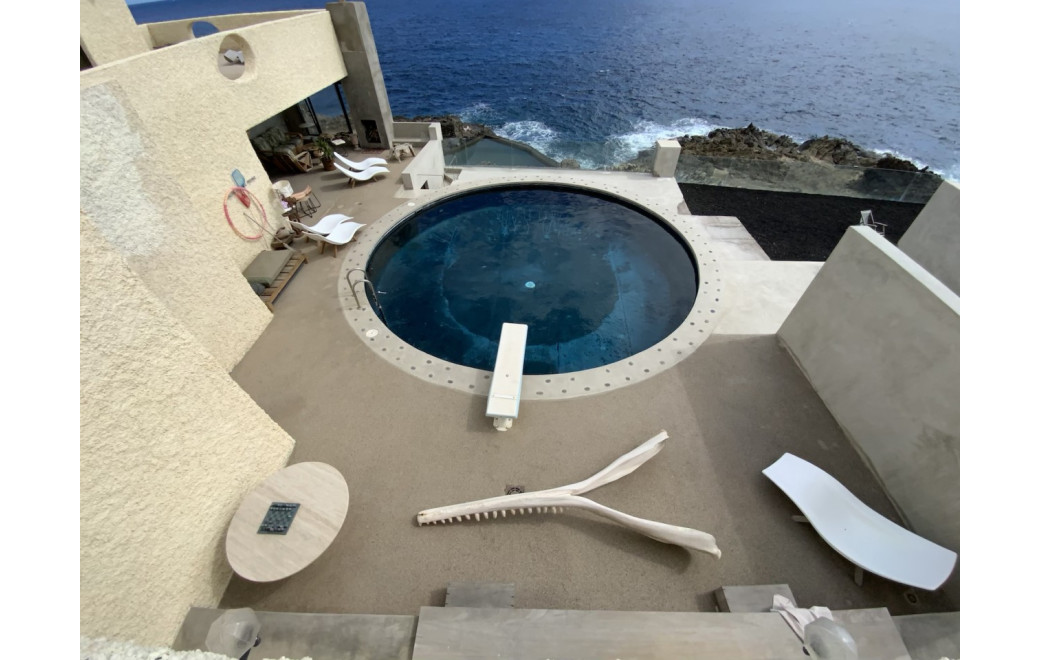
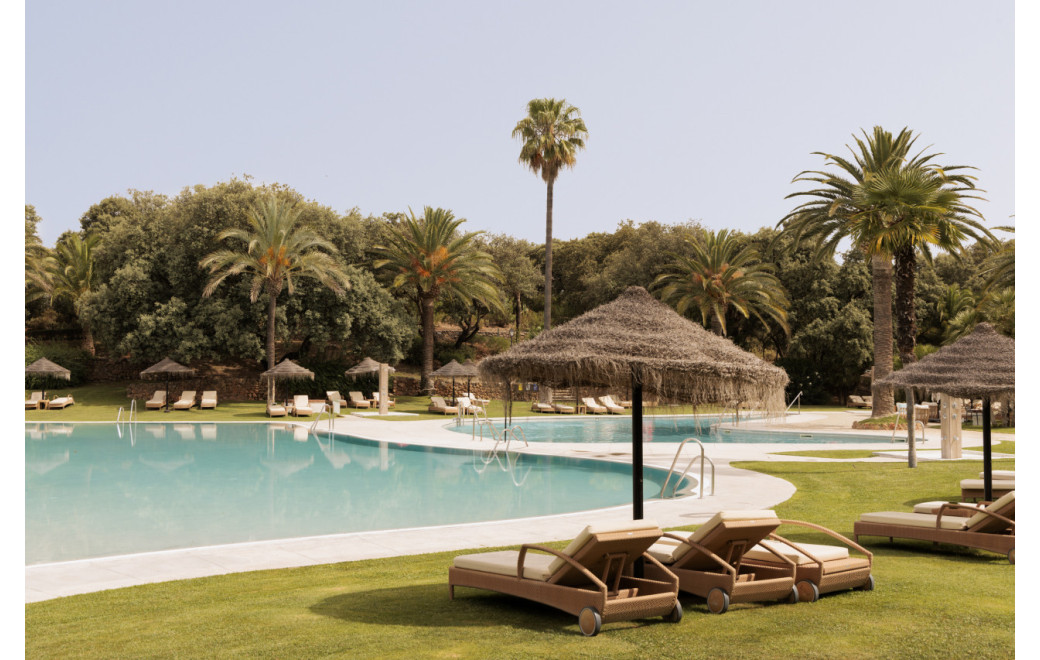
Hand-scouted Spanish locations for feature film, TVC, drama and commercial productions — Tenerife modernist houses, Andalucian country estates, Madrid palaces, Barcelona streets, Alicante coast. Ten years of recce notes, honest access reports and a location manager on every shoot day.
Intro · Positioning
A production agency’s shortlist, not a marketplace
Lovely Locations is a production-first location agency working the length of Spain — the Canary Islands, the Balearics, Andalucia, Madrid, Barcelona and the Alicante coast. We’ve spent over a decade walking these villas, streets and fincas, measuring their power supply, checking access for grip trucks and noting where the Spanish light actually lands across the shooting day.
Every location on this page has hosted a real film production — from single-day TVCs and commercial film to multi-day drama and feature work. We don’t represent a single commission or a single region: we recommend whichever Tenerife modernist house, Andalucian finca, Madrid palace, Barcelona courtyard or Alicante street actually fits the brief, and we say it plainly when a location photographs beautifully but won’t hold up on a film day.
Request locations →
Production guide · long-form
Planning a film production in Spain: regions, permits, rebates and how we scope
Choosing the right Spanish region for the story
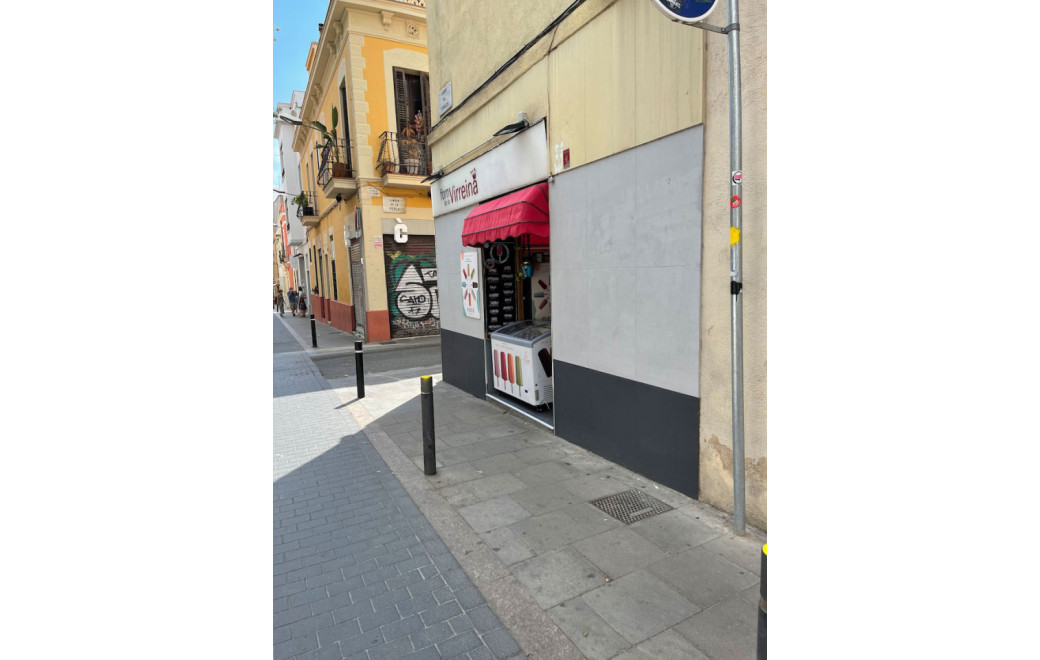
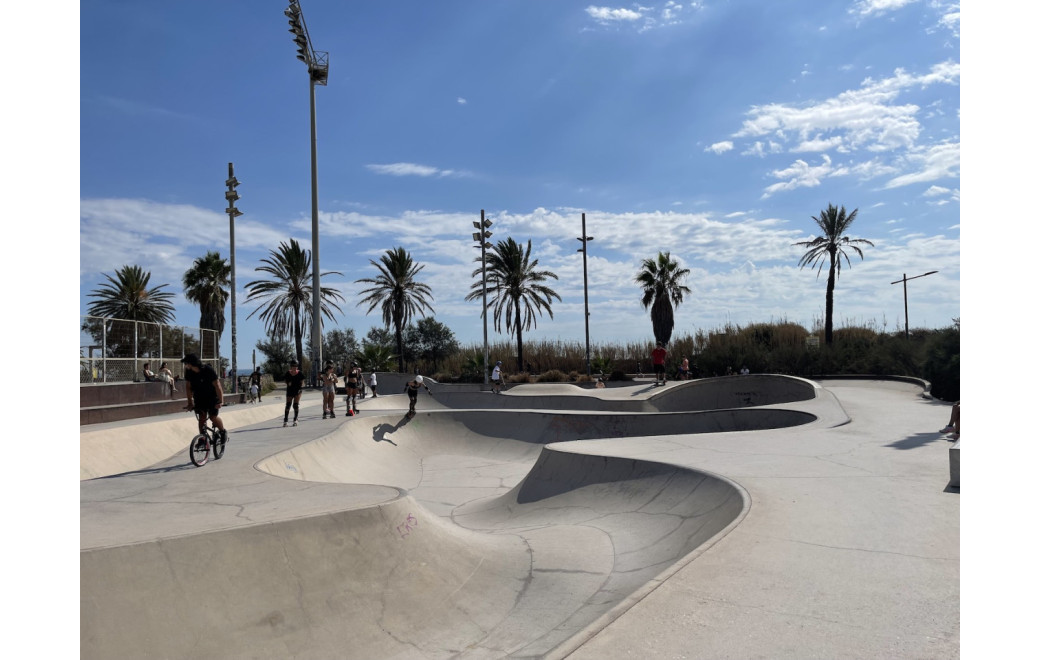
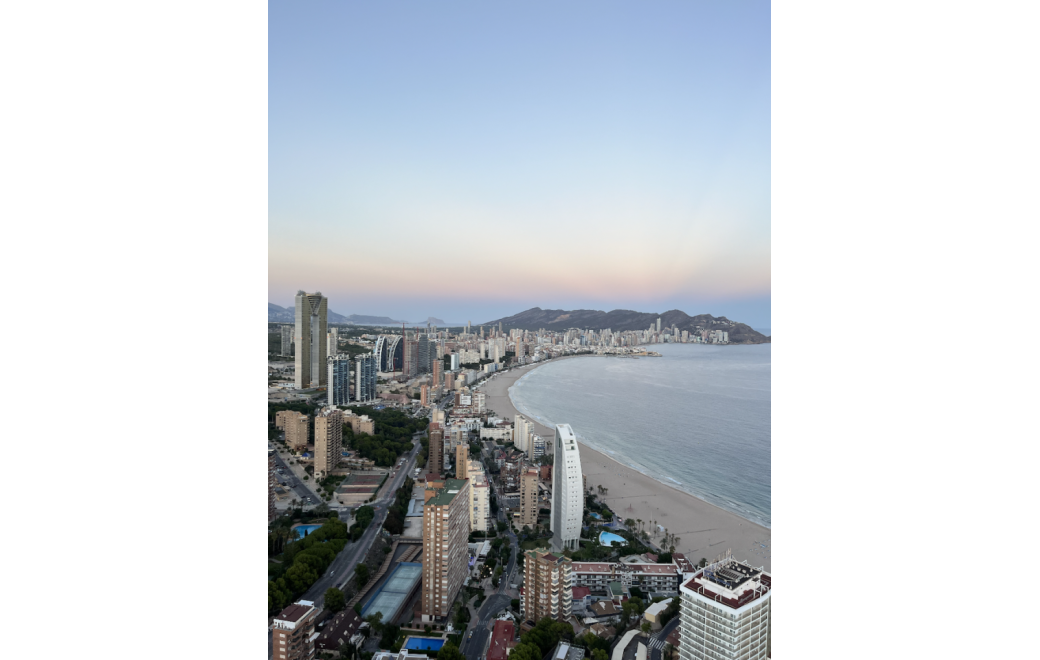
Spain reads very differently on camera depending on where you put the lens. The Canary Islands deliver volcanic coastlines, year-round shoot weather and a short list of genuinely distinctive modernist houses — this is where European productions route winter. Andalucia is warm, southern and unhurried: whitewashed haciendas, olive groves, terracotta floors and stone courtyards that take well to period, hospitality and automotive briefs. The Balearics bring Mediterranean boho and clean architectural interiors with bright coastal light year-round. Madrid and Barcelona add urban grammar — palace hotels with period staircases, Grà cia courtyards, Poblenou beachfront, Alicante promenade — for stories that need a private interior and a believable public street in the same day. Tell us the mood, the genre and the season and we route the shortlist across regions rather than forcing one.
Permits across 17 autonomous communities
Spain is decentralised: each of its 17 autonomous communities, and each municipality underneath, sets its own filming rules, fees and lead times. Inside a private villa or finca, a signed owner agreement normally replaces any municipal permit; the moment you step onto a street, plaza, beach, metro or protected coastline, a municipal filming permit becomes mandatory and runs through the local ayuntamiento or regional film office. As a working rule, file at least fifteen working days in advance for shoots on public roads, more if you plan road closures, exclusive beach use or coordination with the national police. The Spain Film Commission network links forty-plus regional and municipal offices; we route paperwork to the correct one per city and put a location manager on set for every shoot day.
Beaches, coastline and Demarcación de Costas
Beaches and the maritime–terrestrial public domain sit under the national Demarcación de Costas on top of any municipal beach authorisation. Plan a beach shoot on a separate, longer permit track — roughly six to eight weeks ahead is sensible for anything with vehicles, structures or exclusive use, shorter for minimal-crew editorial. In the Canary and Balearic Islands, and along Andalucia’s protected coast, the ayuntamiento permit arrives alongside a Costas authorisation and, where relevant, sign-off from the regional environmental authority if the beach sits inside a Red Natura 2000 or Maritime-Terrestrial Public Domain zone. We file both, chase both and line up the on-day marshalling so the shoot moves cleanly from holding to set.
Tax incentives, the ICAA and the Canary Islands advantage
Spain’s national film incentive under Article 36.2 LIS offers a 30% deduction on the first €1M of eligible spend and 25% on the excess, capped at €20M per feature and €10M per episode for series. Productions qualify through an ICAA-accredited Spanish service producer, a Cultural Certificate from the ICAA (which tests cultural value on at least two of six criteria), and a deposit of the finished work with a Spanish film archive. The Canary Islands run an enhanced scheme — 54% on the first €1M and 45% thereafter — subject to a minimum Canary spend and a local tax-resident service producer. Navarre and the Basque Country run their own regional schemes. We don’t advise on tax; your production accountant leads, and we point to the regional commission and service producers who handle the filing.
Production types our Spain locations regularly host
Feature film and long-form drama
TVC and commercial film
Episodic, streamer and platform series
Fashion film and brand campaign video
Automotive, hospitality and lifestyle TVCs
Music video and artist-led narrative film
Documentary and travel-series work
Branded content and long-form editorial
If you know the dates, the genre and roughly the crew size, we can have three to five shortlisted Spain locations back in your inbox within 24 hours — availability-checked, with real photos, honest notes on access, power, sound and parking, and a view on where Spanish light actually lands through the day. The shortlist is free; scoping, permits and on-day coordination fees only apply if the production moves forward into a full location scope.
Common questions
Frequently asked
Do we need an ICAA-accredited Spanish producer to claim the tax rebate?
Yes. Spain’s national incentive under Article 36.2 LIS requires a Spanish production services company registered with the ICAA (Instituto de la CinematografÃa y de las Artes Audiovisuales) to file on the foreign production’s behalf. The ICAA also issues the Cultural Certificate — the production must meet at least two of six cultural criteria, including Spanish-language dialogue, Spanish setting, Spanish cultural themes, or connection to a European literary, musical or artistic tradition. We don’t file incentives; we point to the service producers and regional commissions who do.
How far ahead do we apply for a Demarcación de Costas beach permit?
Beach and coastline filming is the longest permit path in Spain because it stacks two authorisations: the municipal beach permit from the ayuntamiento and a separate authorisation from the national Demarcación de Costas for the maritime-terrestrial public domain. A sensible rule of thumb is six to eight weeks of lead time for any shoot involving vehicles, structures, exclusive zones or cranes, shorter for a stripped-back editorial crew. We file both tracks in parallel, keep an eye on environmental sign-off where the beach sits inside a Red Natura 2000 zone, and arrange on-day marshalling.
How long do permits take in Madrid, Barcelona and Andalucian cities?
Spain Film Commission guidance is to file at least fifteen working days ahead for shoots on public roads, and seven days for simpler cases. Madrid’s Film Madrid office regularly clears straightforward public-road permits inside that fifteen-working-day window; Barcelona and Seville typically sit in the same range, with longer runways needed where a production asks for road closures, exclusive plaza use, police coordination or night work. Inside a private villa, hotel or finca a signed owner agreement normally covers the day without a municipal permit at all.
Do we need a drone permit for aerial film work in Spain?
Yes, for almost all professional aerial filming. Drone operations above 250g, or any commercial use, fall under AESA (Agencia Estatal de Seguridad Aérea). Operators must be registered, the pilot certified, and specific flights inside controlled airspace, near aerodromes or over built-up areas require an operational authorisation with lead times that typically run fifteen to twenty working days on top of the municipal permit. Plan drone-heavy shoots with a Spain-based operator who already holds the relevant scenarios and insurance — it shortens the paperwork substantially.
What does production insurance look like for a Spanish location shoot?
Production insurance is arranged by the production company or its Spanish service producer, not by us. Most villa and finca owners on our roster ask for a certificate of civil-liability insurance — commonly €1–3M per incident — before the shoot day, and every regional film office requires proof of cover when issuing a public-space permit. We flag each location’s specific requirement and any additional clauses (pool use, fire, stunts) in the shortlist so your broker has time to bind cover and endorse certificates before the recce.
Can we shoot across Madrid, Andalucia and the Canaries in a single production?
Routinely — a Madrid street day rolling into an Andalucian estate day rolling into a Canarian coastline day is a combination we plan. We coordinate owner agreements and municipal permits in each region, align call sheets across the route, and keep a single production contact across time zones. Internal flights between Madrid, Barcelona, Palma, Ibiza, Tenerife, Gran Canaria and Malaga are short and frequent, so two or three regions inside a single shoot week is realistic for a medium-sized crew.
How do we request a Spain film-production shortlist?
Send dates, rough crew size, the genre or reference images, any non-negotiables (pool, rooftop, modernist, blackout, specific region) and a budget line. We come back within 24 hours with three to five location options — availability-checked, with real photos, honest access and power notes, and pros and cons against the brief. The shortlist is free; scoping, permits and on-day coordination fees only apply once the production moves forward. No drip emails, no signup.