Spain · Villa film production
Spain Villa Film Production Locations
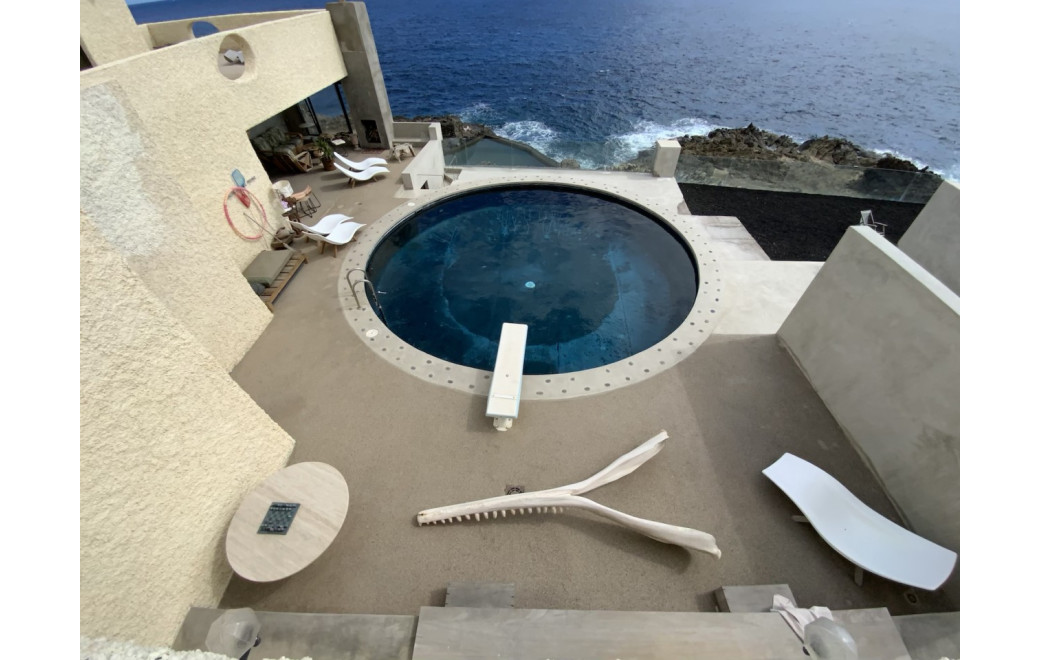
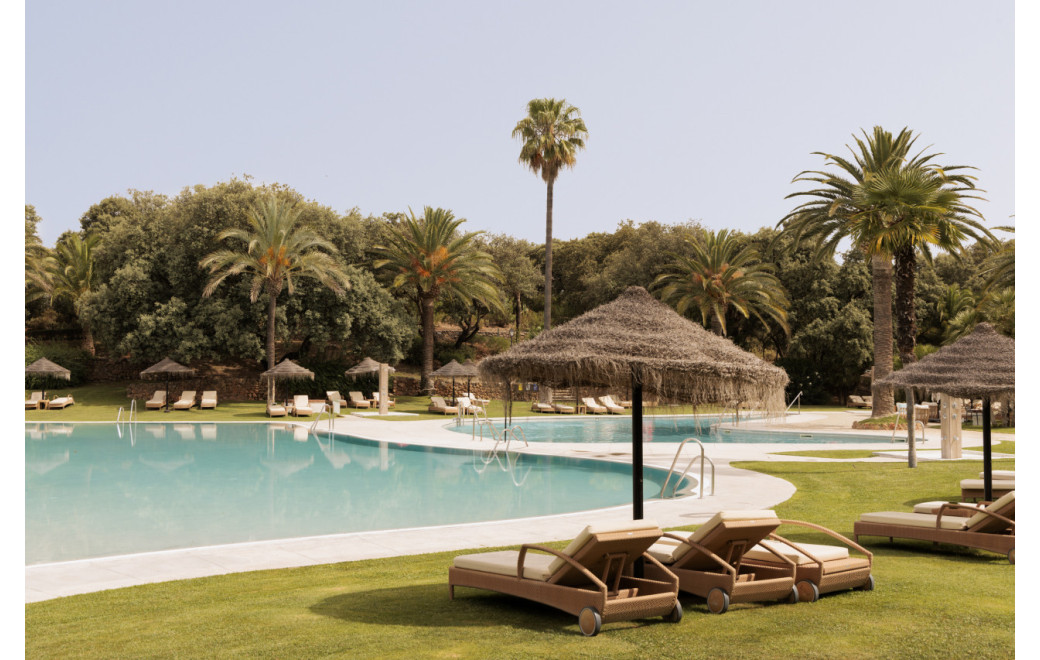
Modernist Canarian houses, Andalucian estates, Balearic design fincas, Madrid city palaces and Barcelona residences — hand-scouted villa locations for feature, TVC and commercial film across mainland Spain and the islands.
Intro · Villa film positioning
Private villas, scouted for the realities of a film shoot
Lovely Locations is a production-first location agency working across Spain — the Canaries, the Balearics, Andalucia, Madrid and Barcelona. Every villa on this page has been walked by our scouts with a film shoot in mind: room acoustics tested for dialogue, generator lay-downs measured, finca-gate width checked against a 7.5t grip truck, and interior light documented hour by hour.
We focus on privately owned villas because they give a feature, TVC or commercial what most hotels can’t: genuine exclusivity, shootable interiors and exteriors on one address, and owners comfortable signing a real location agreement with film-use language — not a holiday-let contract with a film clause pasted in.
Request locations →
Production guide · long-form
Planning villa film production in Spain: regions, permits, incentives and how we scope
Choosing a Spanish region to match the script
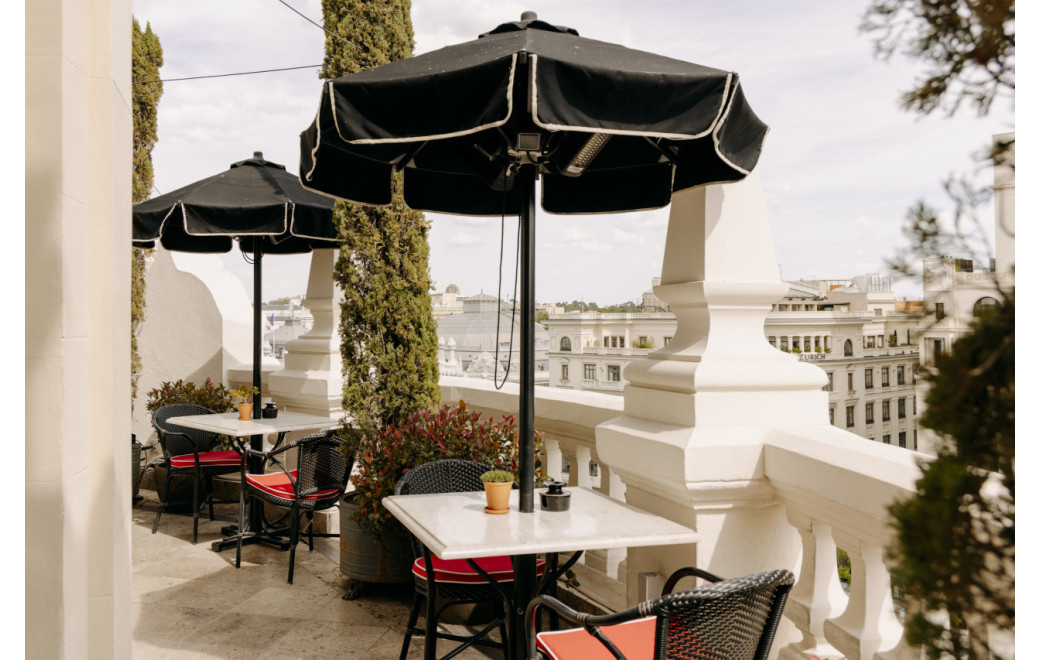
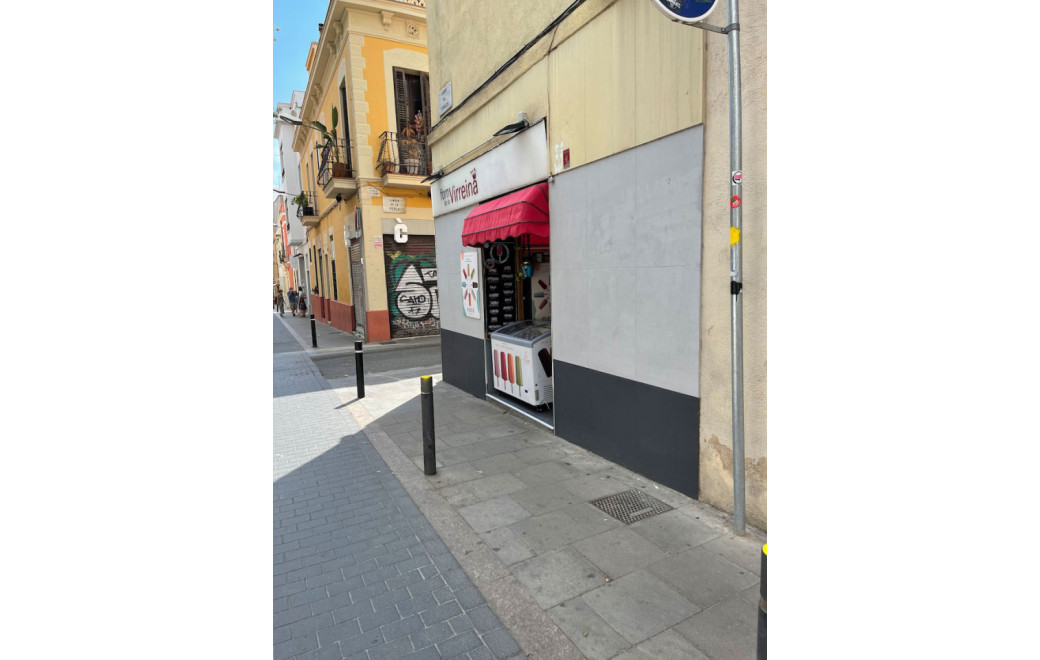
Tenerife and the Canaries deliver year-round shoot weather, volcanic coastal backdrops and a short list of genuinely distinctive modernist villas — this is where European productions route winter features and TVCs when the mainland is cold. Andalucia is warm, southern and unhurried: whitewashed haciendas, olive groves, terracotta floors and stone courtyards for period work, hospitality and automotive. The Balearics bring design fincas and clean architectural interiors under bright Mediterranean light, while Madrid and Barcelona add urban villa-meets-street options — palaces, rooftops, Grà cia courtyards, Poblenou residences — for fashion film and editorial that need private interiors alongside real city context. Tell us the mood, the crew size and the season and we route the shortlist across regions rather than forcing one territory to do a job another does better.
Permits across 17 autonomous communities
Spain is decentralised: each of its 17 autonomous communities, and each municipality underneath, sets its own filming rules and fees. Inside a private villa, a signed owner agreement usually replaces any municipal permit; the moment you step into public space — a street, a beach, a protected coastline, an airport, a metro — a city-level filming permit becomes mandatory through the local ayuntamiento or regional film commission. Spain has 48 film commissions and offices across its territory; Madrid commonly turns routine permits around in roughly three business days, while larger municipalities and island commissions more often sit in a one-to-four-week window depending on scope, road closures and protected zones. For beach or coastal-strip filming with more than ten crew, the Demarcación de Costas must also be notified through its official registry — that paperwork needs to be started early, not on shoot week.
Tax incentives: Spain’s national scheme and the Canary Islands advantage
Spain’s national incentive (Article 36.2 LIS) offers qualifying foreign productions a tax deduction of up to 30% on eligible Spanish spend, with a minimum €1M Spain spend and a cap commonly cited at €20M per production on the mainland. The Canary Islands go further under their own regional framework — 54% on the first million of eligible Canary spend and 45% on the remainder, capped at €36M per feature and €18M per episode, also requiring a €1M Canary-spend minimum and a locally tax-resident service producer. An ICAA Cultural Certificate (or the competent regional authority’s equivalent) is required to qualify. To be clear: Spain does not have a mainland regional top-up that stacks on top of the national rebate in the way some European jurisdictions do — the Canary scheme is its own separate enhanced rebate, not an add-on. We coordinate with regional commissions and service producers; your production accountant files and leads.
Crew, drones and how we scope a Spain villa shoot
Madrid and Barcelona have Spain’s deepest fixer, grip, camera and post ecosystems; Mallorca, Ibiza, Tenerife and Malaga each have competent local crew bases that scale from a single-camera commercial upwards. For drone work, AESA (the Spanish Aviation Safety Agency) governs operator authorisation, and flights near airports must also be cleared with AENA through the relevant airport’s service department — plan authorisation into prep, not into the week-of. When you brief us with dates, mood boards and crew size we come back within 24 hours with a shortlist of three to five villas — availability-checked, with honest notes on access, power, sound, parking, gen placement and where light actually lands. Our role is scoping, coordination and on-day location management; we introduce crew and service producers and we don’t markup the villa rate.
Production types our Spain villas regularly host
Feature film and long-form drama
TVCs and commercial film
Fashion film and lookbook video
Short-form drama and director showreels
Music video and artist portrait sessions
Automotive, hospitality and lifestyle film
Branded content and social-first film
Still photography continuity alongside motion
If you know the dates, the mood and roughly the crew size, we can have three to five shortlisted Spain villas back in your inbox within 24 hours — availability-checked, with real photos, honest notes on access, power, sound and parking, and a view on where light actually lands through the day. The shortlist is free; scoping, permits and on-day coordination fees only apply if you move forward into a full production scope.
Common questions
Frequently asked
Do I need a permit to film inside a private villa in Spain?
For film production staged inside or on the grounds of a private Spanish villa, a signed owner agreement normally replaces any municipal permit — no council paperwork needed on the day itself. The moment the production steps into public space (a street, a beach, a protected coastline, an airport, a metro), a city-level filming permit is mandatory and the process runs through the local ayuntamiento or the regional film commission. We handle both owner agreements and municipal permits, with a location manager on set for each production day.
How do film permits differ between Spain’s regions?
Spain has 17 autonomous communities and 48 film commissions, and each sets its own rules and fees. Madrid routinely turns routine filming permits around in about three business days if you aren’t claiming exclusive use of public space. Larger mainland municipalities and the Balearic or Canary islands more commonly sit in a one-to-four-week window depending on scope, road closures and protected zones. For beach or coastal filming with more than ten crew on public domain, the Demarcación de Costas must also be notified. We route each region to the right commission.
Can foreign productions claim Spain’s film tax rebate?
Qualifying foreign productions can access Spain’s Article 36.2 LIS deduction (up to 30% on eligible Spain spend, minimum €1M spend, commonly capped around €20M per production) or the Canary Islands’ enhanced rebate — 54% on the first million and 45% on the remainder, capped at €36M per feature and €18M per episode, with a minimum €1M Canary spend and a local tax-resident service producer. An ICAA Cultural Certificate is required. Note: Spain does not offer a regional top-up that stacks on the national rebate — Canary Islands is its own separate enhanced scheme, not an add-on. We don’t advise on tax; your production accountant leads.
What do drone and aerial permits look like in Spain?
Drone operations in Spain are governed by AESA (Agencia Estatal de Seguridad Aérea) — the operator, pilot certification and mission category all need to be in order before you arrive. Flights near airports also require coordination with AENA through the relevant airport’s service department. Urban overflight, crowd overflight and flight in controlled airspace each have their own layers of authorisation, and the regional film commission will want proof when issuing the public-space permit. Treat aerial authorisation as a pre-production task, not a shoot-week one — we flag the realistic lead time for the chosen municipality.
Can you help source film crew and kit across Spain?
Yes. Madrid and Barcelona have Spain’s deepest ecosystems for grip, camera, lighting, post, fixers, stylists, hair and make-up. Mallorca, Ibiza, Tenerife and Malaga each have competent local crew bases that scale from a single-camera commercial upwards. For multi-region shoots we help you plan gear moves, transfers and call sheets so one production office covers the whole route. We introduce; you contract crew and service producers directly — we do not package or markup their day rate.
Can we shoot across multiple Spanish regions in one production?
Routinely — a Tenerife villa day rolling into an Andalucian estate day rolling into a Madrid street day is one of the combinations we plan. We coordinate owner agreements and permits in each region, help schedule transfers and gear moves, and keep a single production contact across the route. Internal flights between Madrid, Barcelona, Palma, Ibiza, Tenerife and Malaga are short and frequent, so two or three regions in a week is realistic for a medium-crew TVC or feature unit.
How do I request a Spain villa film production shortlist?
Send dates, rough crew size, the mood or reference deck, any non-negotiables (pool, rooftop, modernist, blackout, specific region) and your budget line. We come back within 24 hours with three to five villa locations — availability-checked, with real photos, access and power notes, and honest pros and cons against the brief. The shortlist is free; scoping, permits and on-day coordination fees only apply if you progress into a production scope.