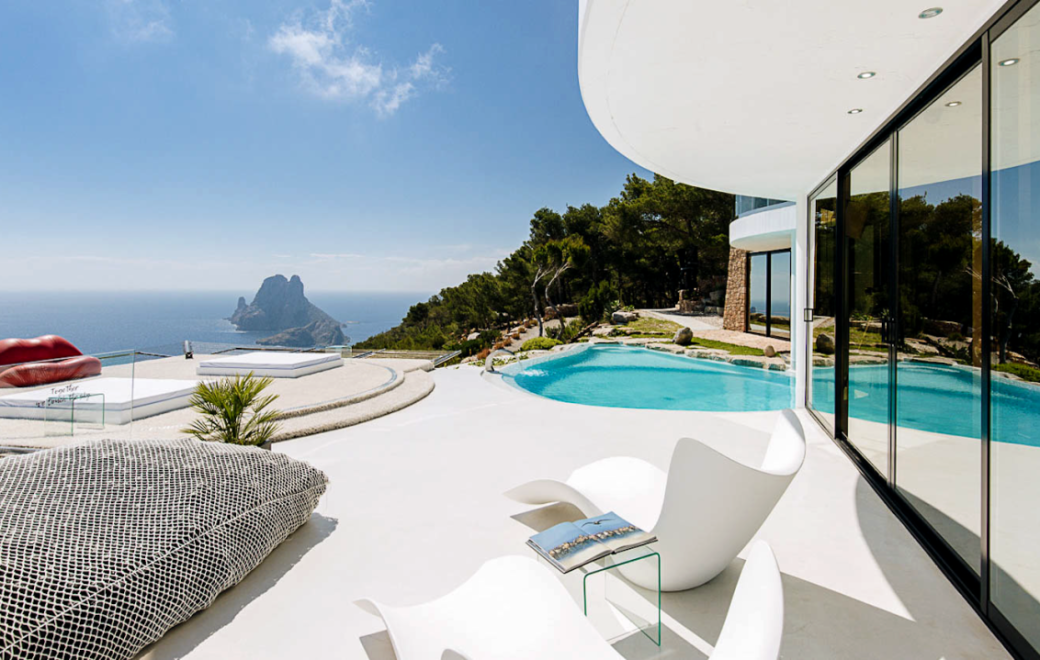
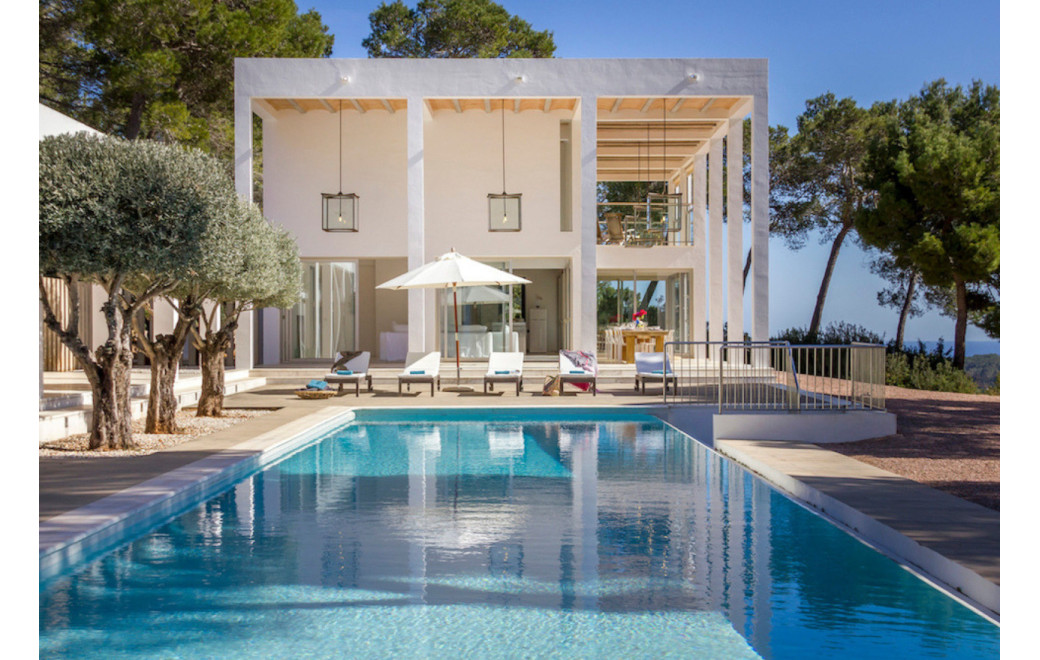
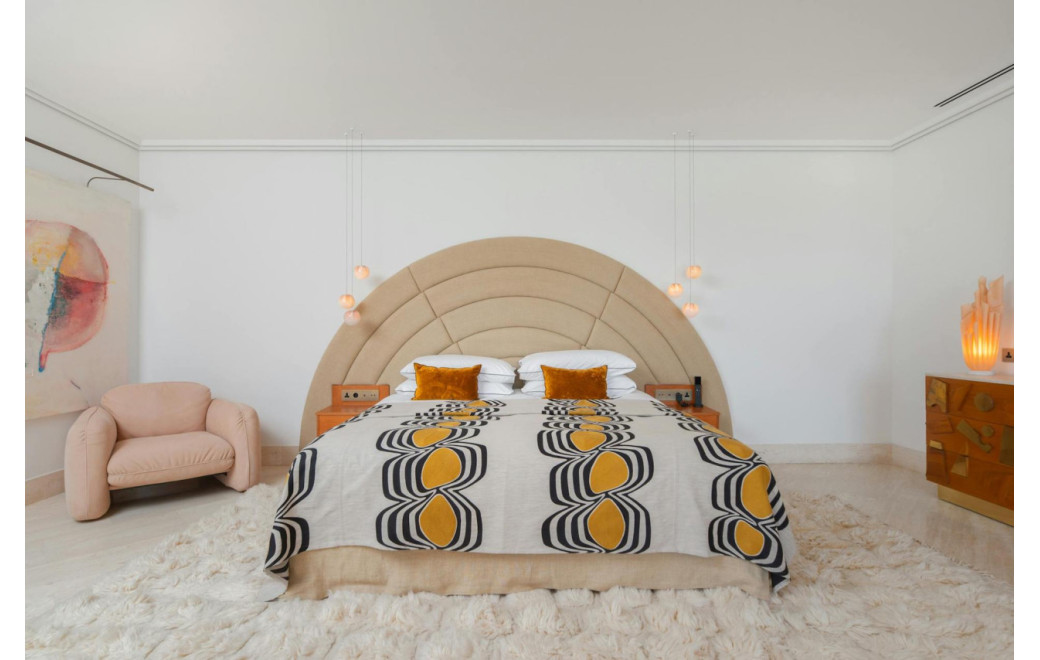
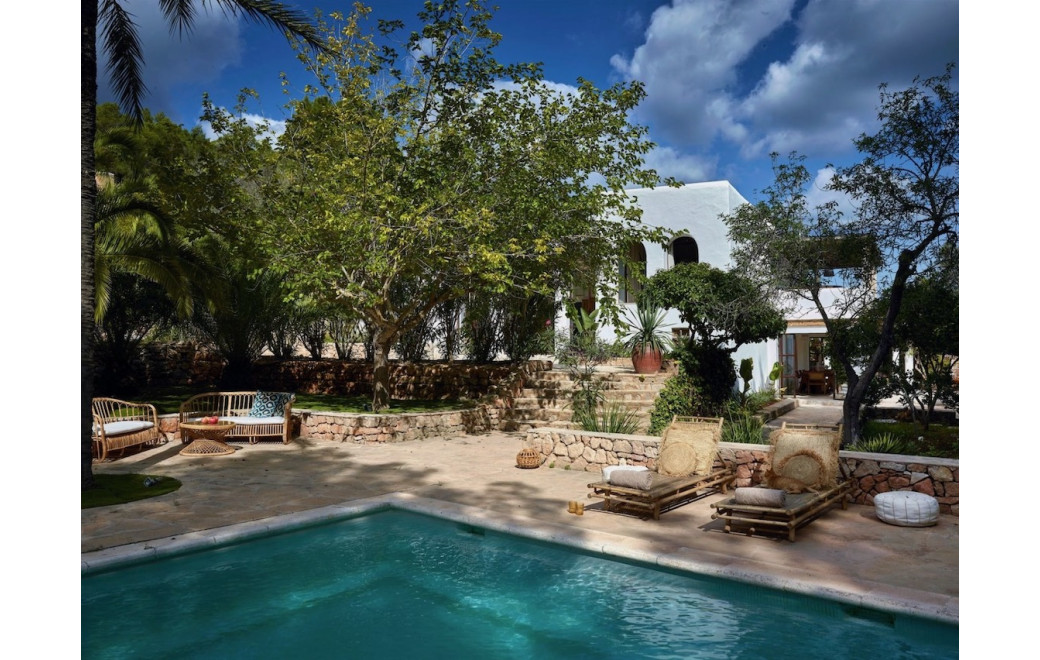
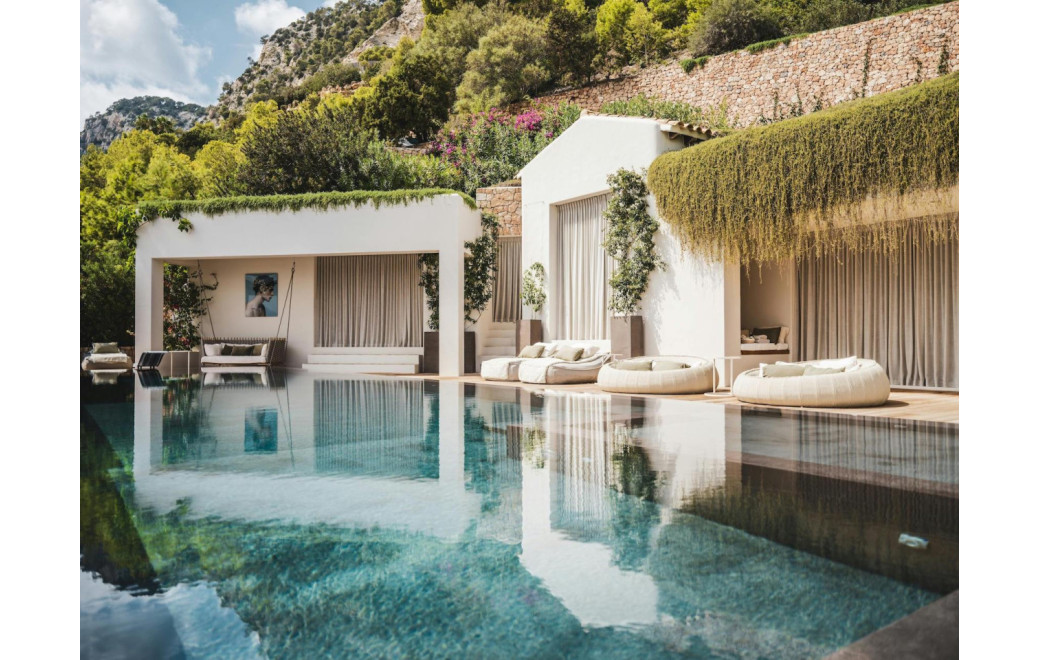
Ibiza · Mid-century modernist
Mid-Century Modern Locations in Ibiza
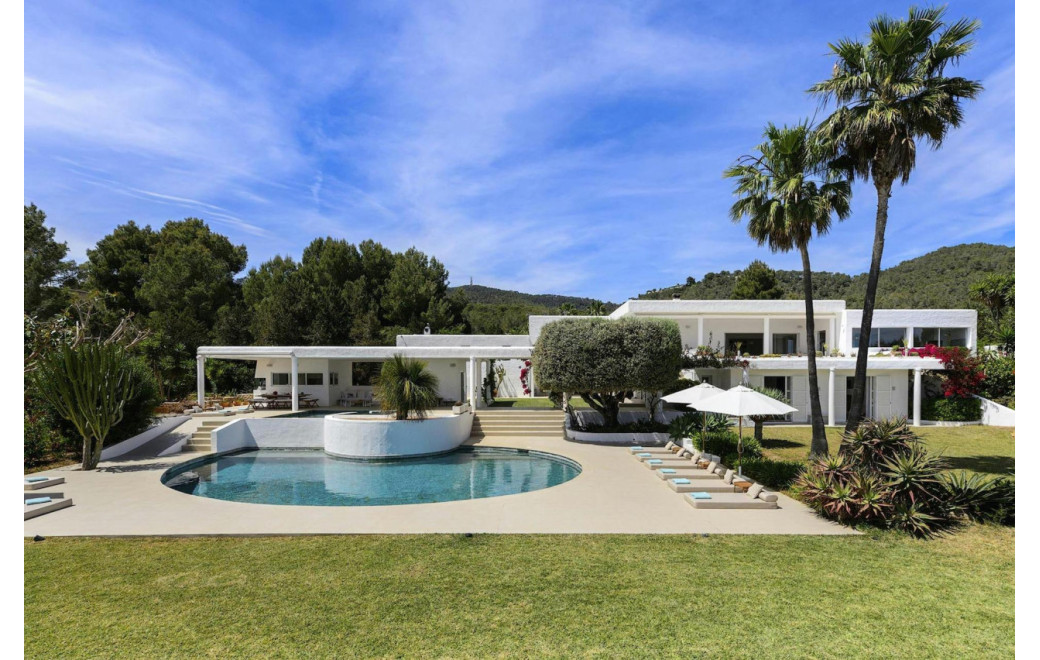
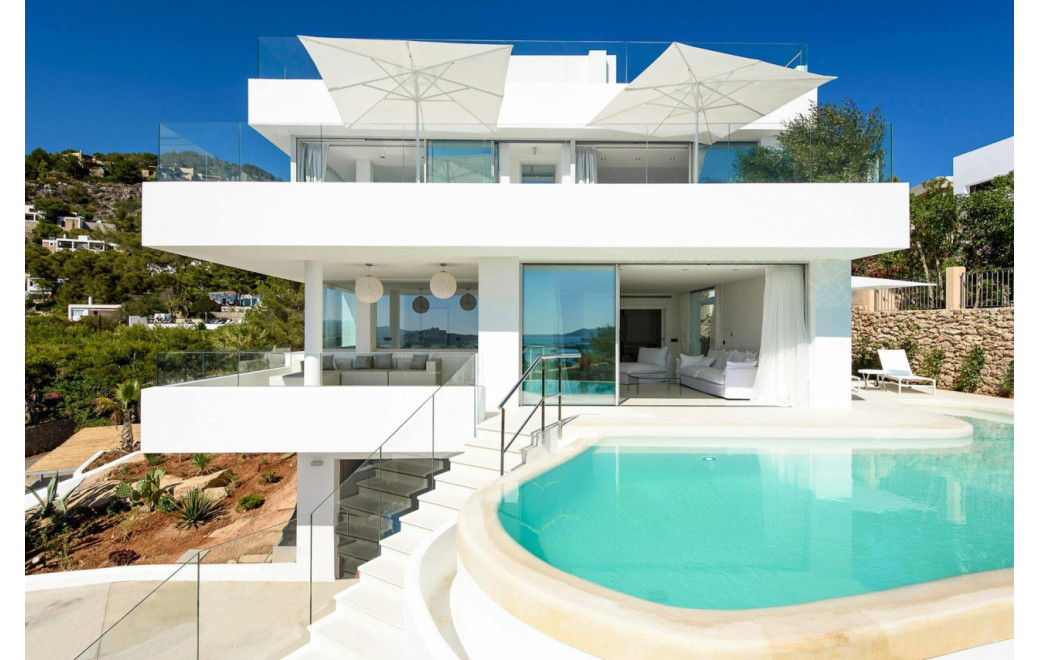
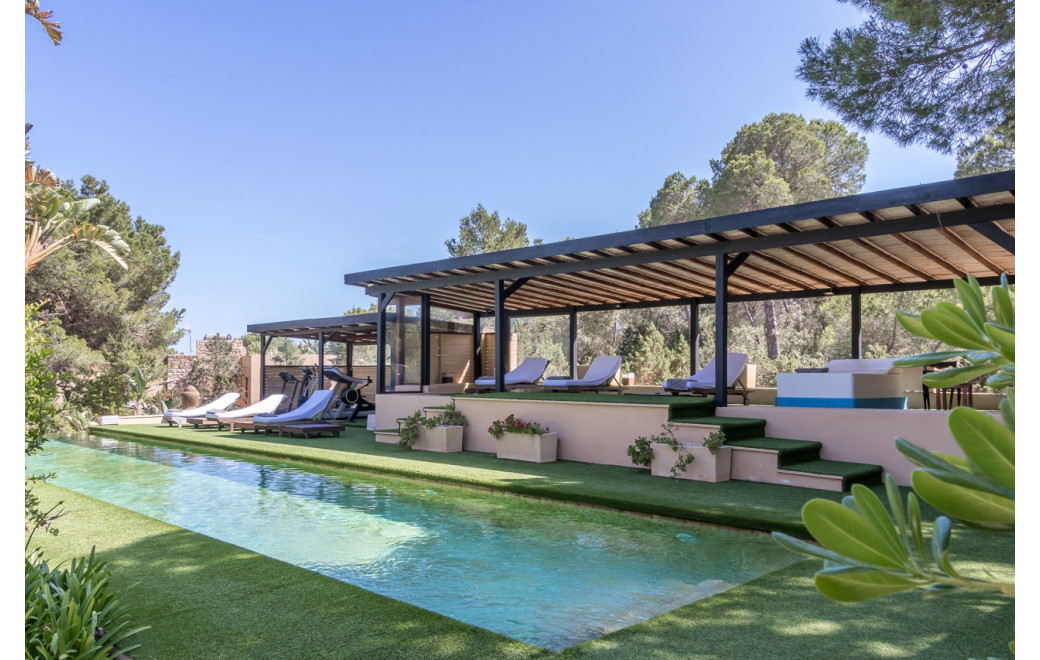
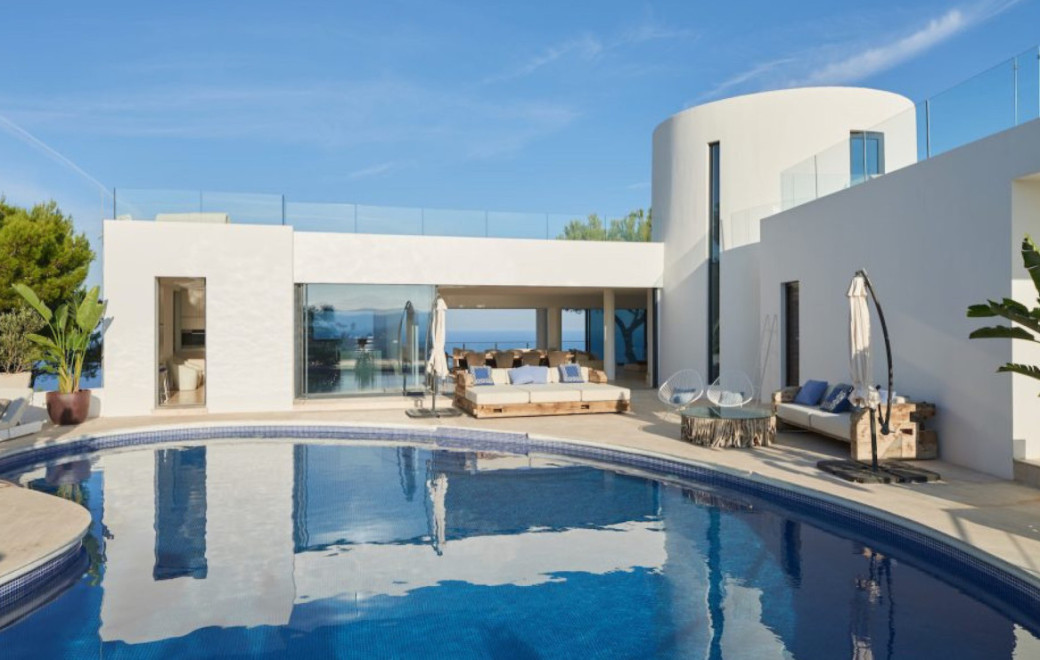
Flat-roof villas, Blakstad-lineage design houses and the quiet legacy of Erwin Broner. A curated shortlist of Ibiza properties with genuine modernist DNA — shoot-ready, shooter-friendly, and chosen for how a lens reads architecture, not a hashtag. For photo and fashion shoots, events and brand experiences.
Architecture guide · long-form
Mid-century modernism in Ibiza: the real lineage, not the mood-board
Mid-century arrival in Ibiza
Ibiza’s modernism wasn’t imported as a style — it arrived as refugees. Erwin Broner, born Erwin Heilbronner to a Munich banking family in 1898, reached Ibiza in 1933 fleeing the Nazi regime; in 1960 he built Casa Broner at c. Sa Penya 15 as home and studio, applying Bauhaus logic to the vernacular Ibizan cube. Josep Lluís Sert (Barcelona 1902–1983), co-founder of GATCPAC, first visited the island in the 1930s, later designed a Dalt Vila house, and realised the Can Pep Simó residential complex at Cap Martinet between 1964 and 1969. Casa Broner was declared a Good of Cultural Interest in 2000 and is today a house museum managed by MACE.
The Rolph Blakstad school and its lineage
Canadian-born Rolph Blakstad (1929–2012) moved to Ibiza in 1956 after studying art and Renaissance architecture in Florence, and founded Blakstad Design Consultants in 1967. His book La Casa Eivissenca / The House of Ibiza: the key to a millennial tradition became the seminal text on the island’s architecture, and the firm his sons Rolf and Nial now run continues to shape a large slice of the island’s design-led new-build and restoration work. The Blakstad lineage matters because it fused modernist discipline with Ibiza’s own millennial tradition — the reason so many “modern” Ibiza villas read as specifically Ibicenco rather than generic international-style.
What mid-century actually means on-island
True Balearic vernacular is thick whitewashed walls, small openings, dark timber beams, flat-roof cubes stacked by generation — functionally modern for a thousand years, but not mid-century modern. What Broner and Sert added was the 1950s–60s modernist vocabulary: glass walls opened to the terrace, clerestory strips, double-height volumes, flat-plane slabs, poured concrete meeting timber, Bauhaus restraint. A “mid-century Ibiza villa” on this page means that language is legible — not that the building was necessarily built before 1970. Honest curation: an Eames chair alone doesn’t make a villa modernist, and we don’t pretend it does.
How to shoot mid-century in Ibiza
The architecture wants hard, low side-light: plan for first and last hour. Flat planes photograph best at 35–50mm with the camera square to the façade — avoid wide-angle distortion on horizontal slabs. Interiors need two passes: one ambient-lit to honour the clerestory and skylight design, one styled with period furniture (Eames DCW, Saarinen Tulip, Noguchi coffee, Bertoia Diamond) from Ibiza’s prop-hire network. Keep wardrobe quiet — tonal neutrals, one saturated accent — so the architecture carries the frame. Avoid boho layering and patterned textiles unless the brief is deliberate clash.
Mid-century Ibiza shoot checklist
Call time 07:00 or 18:00 for raking façade light
35–50mm for architecture, square to planes
Recce clerestory and skylight direction at hour
Prop-hire Eames / Saarinen / Bertoia via Ibiza studios
Wardrobe tonal; one saturated accent maximum
Check concrete-floor reflectance for video rigs
Confirm exterior sound limits for evening scenes
Brief stylist: architectural restraint, not boho layering
If the brief is architecture authority rather than aesthetic cosplay — a campaign that wants its villa to carry design credibility, or a fashion story that needs flat-plane geometry to frame the silhouette — this is the page. Send us the mood board and we’ll come back with three to five properties that actually hold up on camera, labelled honestly as original-build, restoration, or Blakstad-lineage.
Common questions
Frequently asked
Are these villas authentic mid-century, or restorations styled to look mid-century?
Both — and we label them. Our shortlist separates original-build modernist (designed from day one as flat-plane, clerestory, open-plan), restorations (vernacular Ibizan shells reworked with mid-century interiors and interventions) and Blakstad-lineage (new-build or restoration shaped by the Blakstad school). Very few private Ibiza rental villas are museum-pure like Casa Broner; we’re honest about which register each property sits in, so wardrobe and set dressing can be briefed accordingly.
Can you source period-correct furniture for a mid-century shoot in Ibiza?
Yes. Ibiza’s prop-hire network carries Eames (DCW, lounge, LCW), Saarinen Tulip, Knoll, Jacobsen Egg and Swan, Noguchi tables and Bertoia Diamond — bookable within days rather than shipped from Barcelona. For more specific period pieces (Nakashima, Wegner, early Hans Olsen) we can flag a 10–14 day lead. Tell us the era — 1950s Bauhaus-led, 1960s Scandinavian, 1970s Italian radical — and the stylist’s reference boards, and we’ll match the villa’s architecture to the props accordingly.
What colour palette photographs best at these villas?
Restrained. The architecture does the work: whitewash, poured concrete, timber, terracotta floor, olive-oil pigment walls. Wardrobe and set dressing that read well are tonal neutrals — bone, stone, camel, ink — with one saturated accent: rust, mustard, sage, or the dusty blue Broner used on his own window frames. Avoid pattern-heavy or boho layering; it fights the discipline of the planes. If you want pattern and warmth, brief the boho or 70s retro pages instead.
How do I shoot the light on a flat-roof, clerestory villa?
Shoot façades at first and last hour when the sun rakes horizontally across planes — mid-day flattens them. Interiors demand you respect the clerestory: the architect intended indirect high-level daylight, so match it with overhead soft from above the camera line, not front-fill that kills the geometry. Check window orientation on recce; most Ibiza modernist villas open south or south-west, which rewards late-afternoon interior shooting but needs NDs on exteriors.
What’s the difference between a Blakstad villa and a generic “modern” Ibiza villa?
Blakstad Design Consultants, founded in 1967 by Rolph Blakstad, built its practice on fusing modernist principles with authentic Ibizan tradition — low-slung volumes, sabina-beam ceilings, hand-troweled walls, proportions drawn from millennial island houses rather than an international-style catalogue. A generic “modern Ibiza villa” may simply be a new-build with big glass and a pool. If the brief needs architecture authority, it’s worth asking us specifically about Blakstad-lineage properties on the shortlist.
Can I visit Casa Broner as part of a shoot research trip?
Casa Broner is a public house museum at c. Sa Penya 15 in Ibiza Town, managed by MACE, declared a Good of Cultural Interest in 2000. It’s open to visit and strongly recommended as reference before a mid-century shoot — particularly for interior details like built-in joinery, window frame colour, and the handling of whitewash-against-timber. It is not a shoot location, but it will re-calibrate the stylist’s eye for what’s authentic on the island.